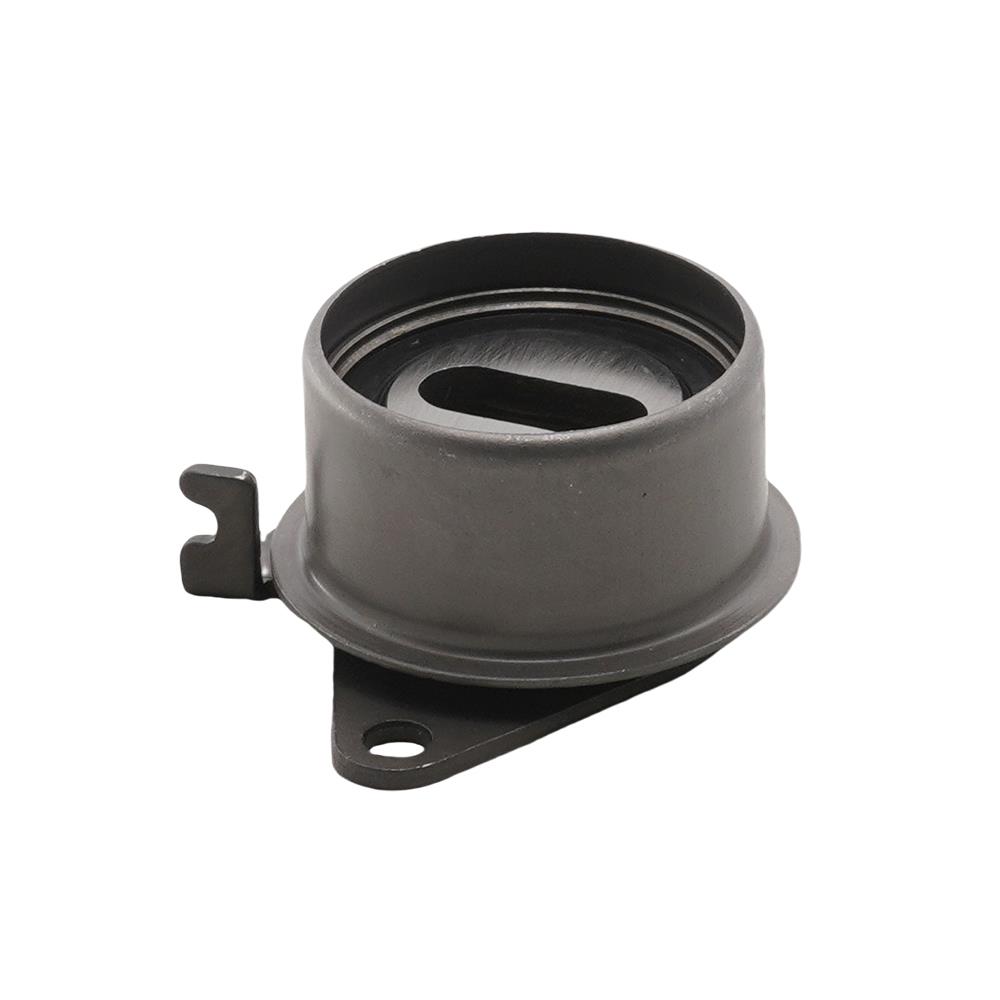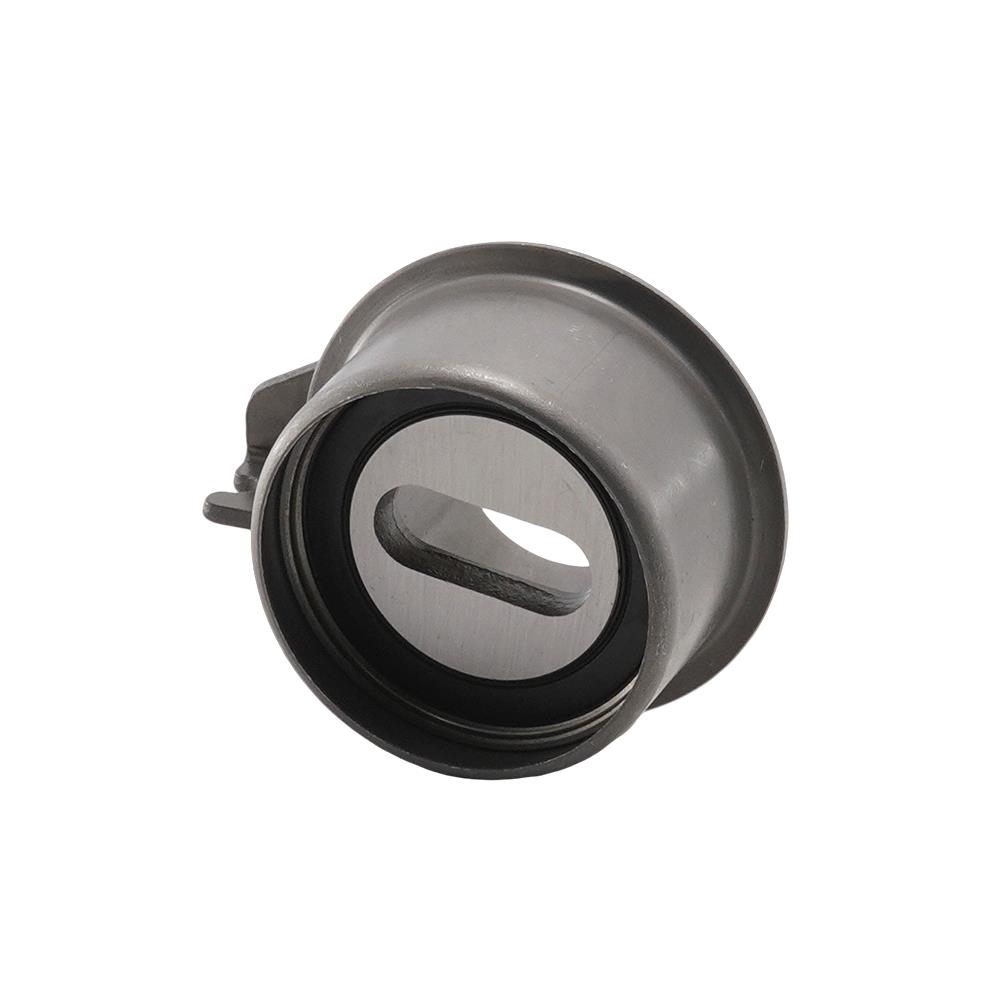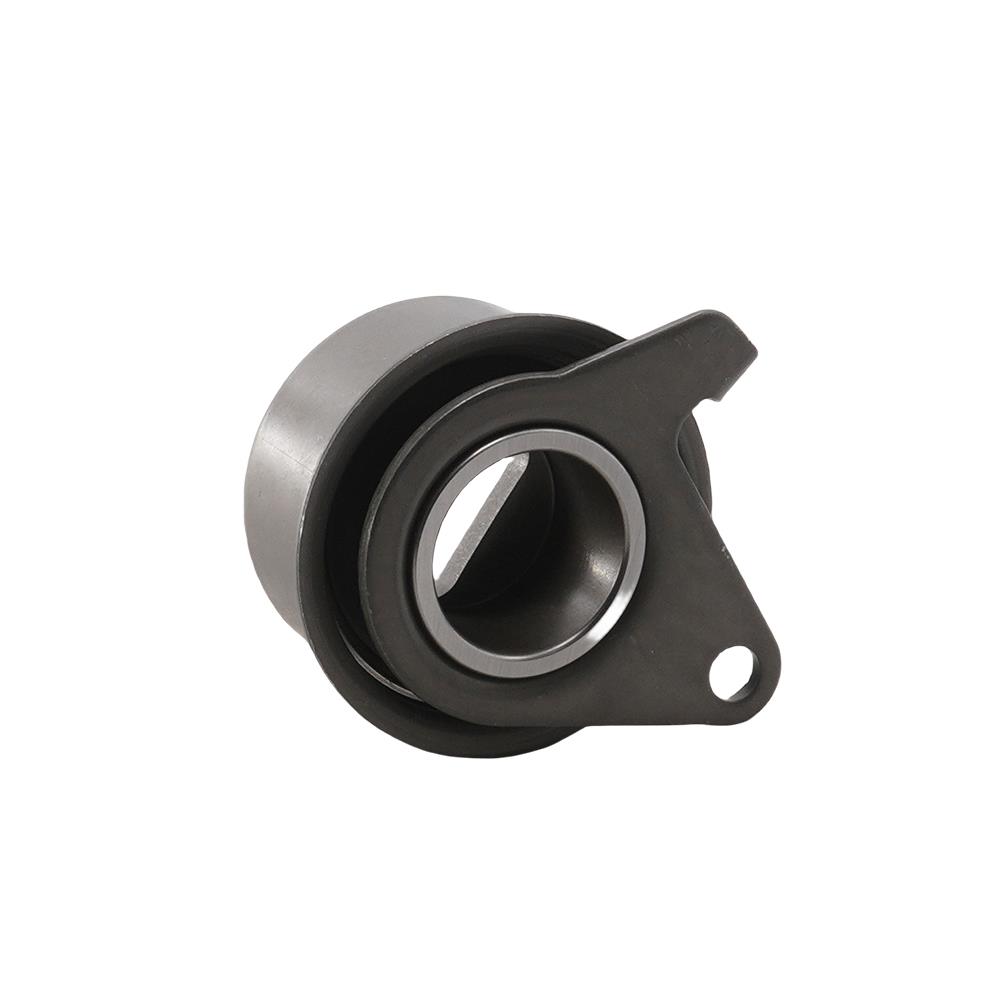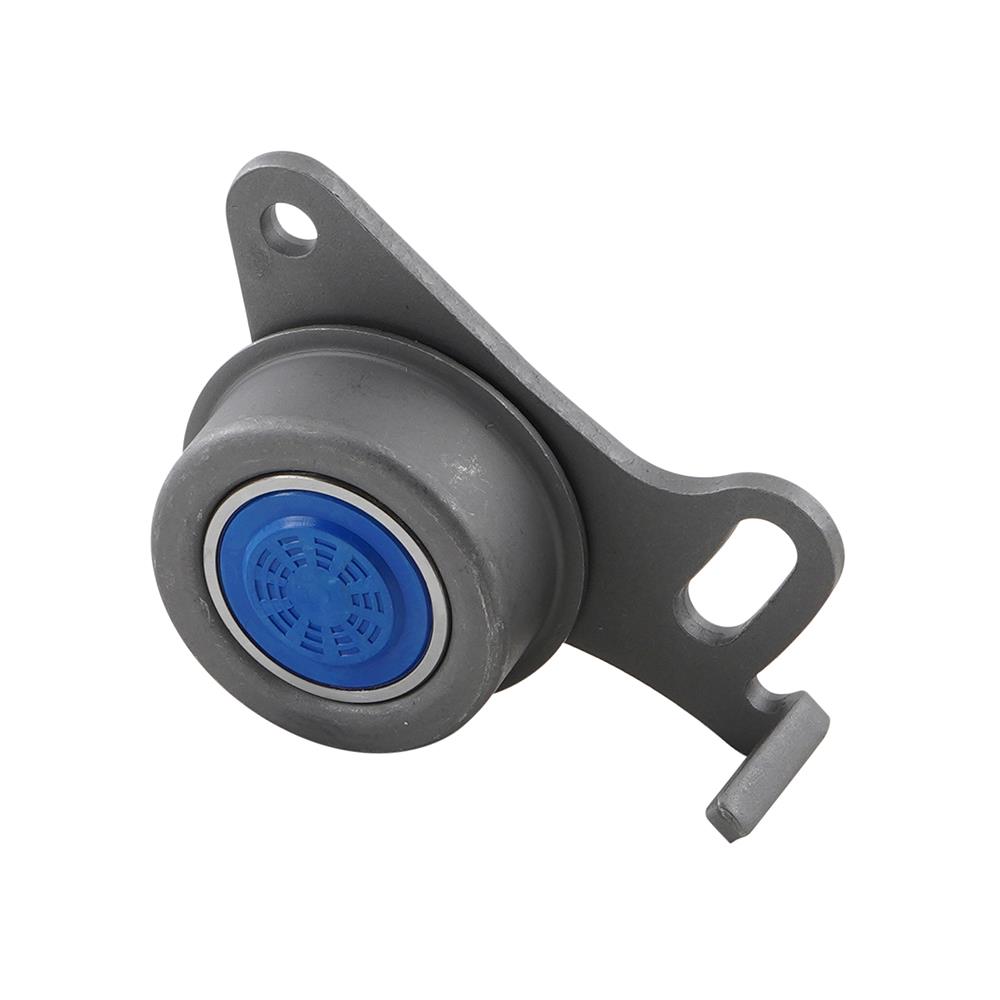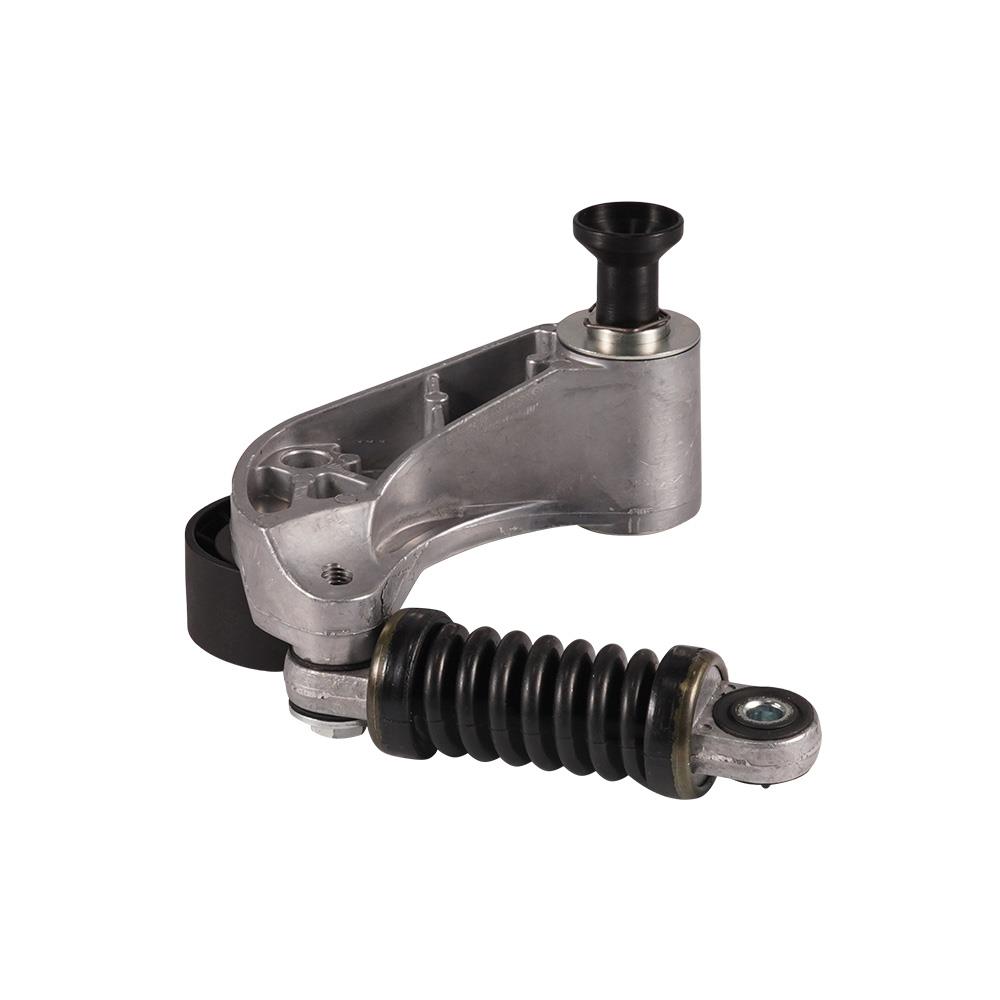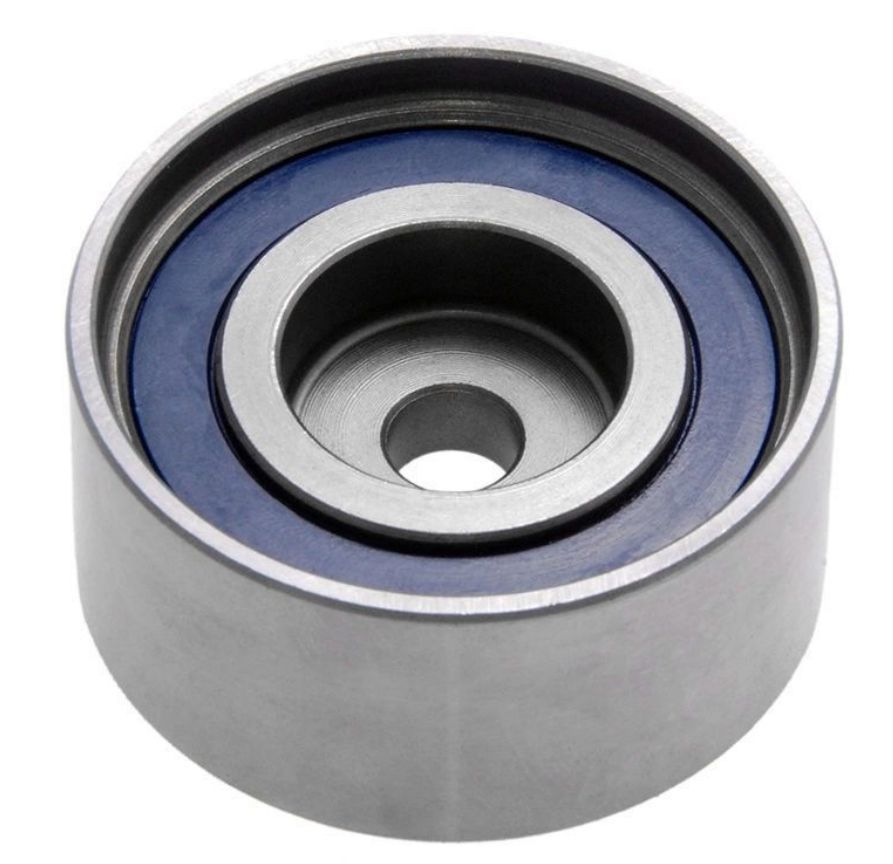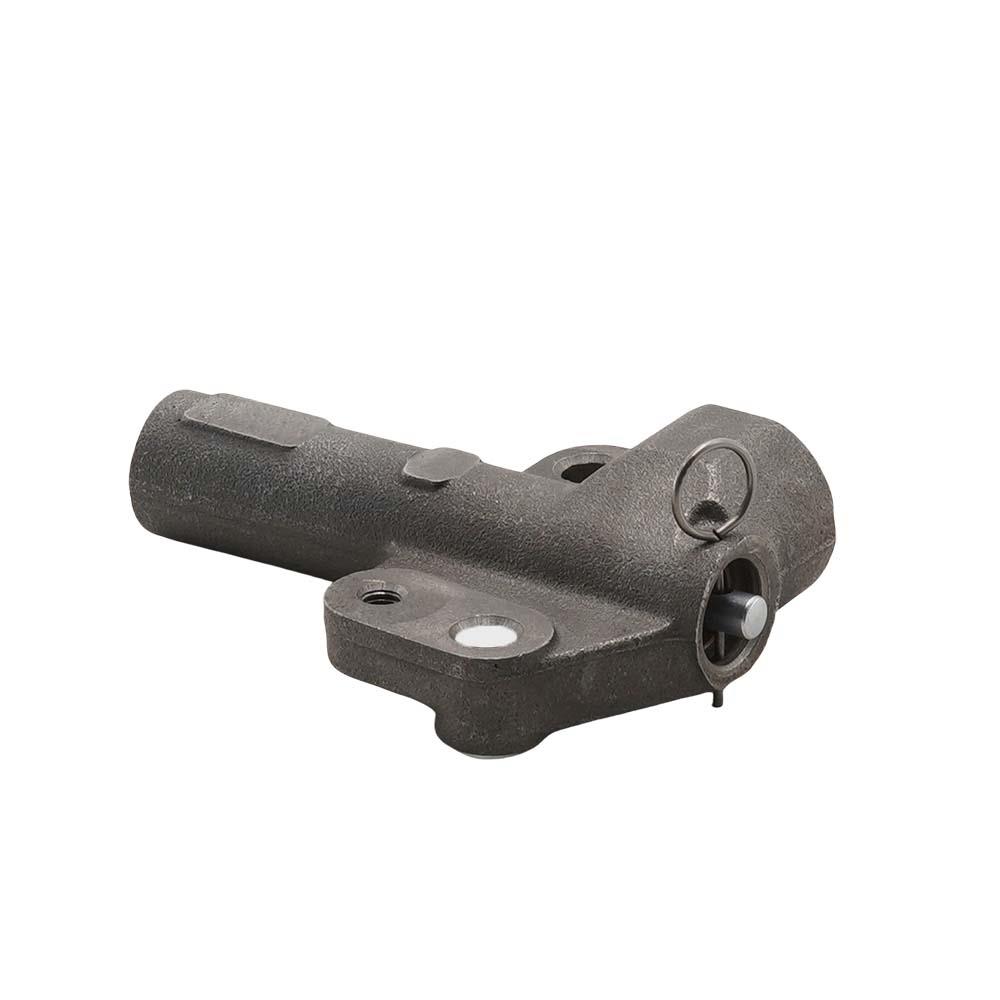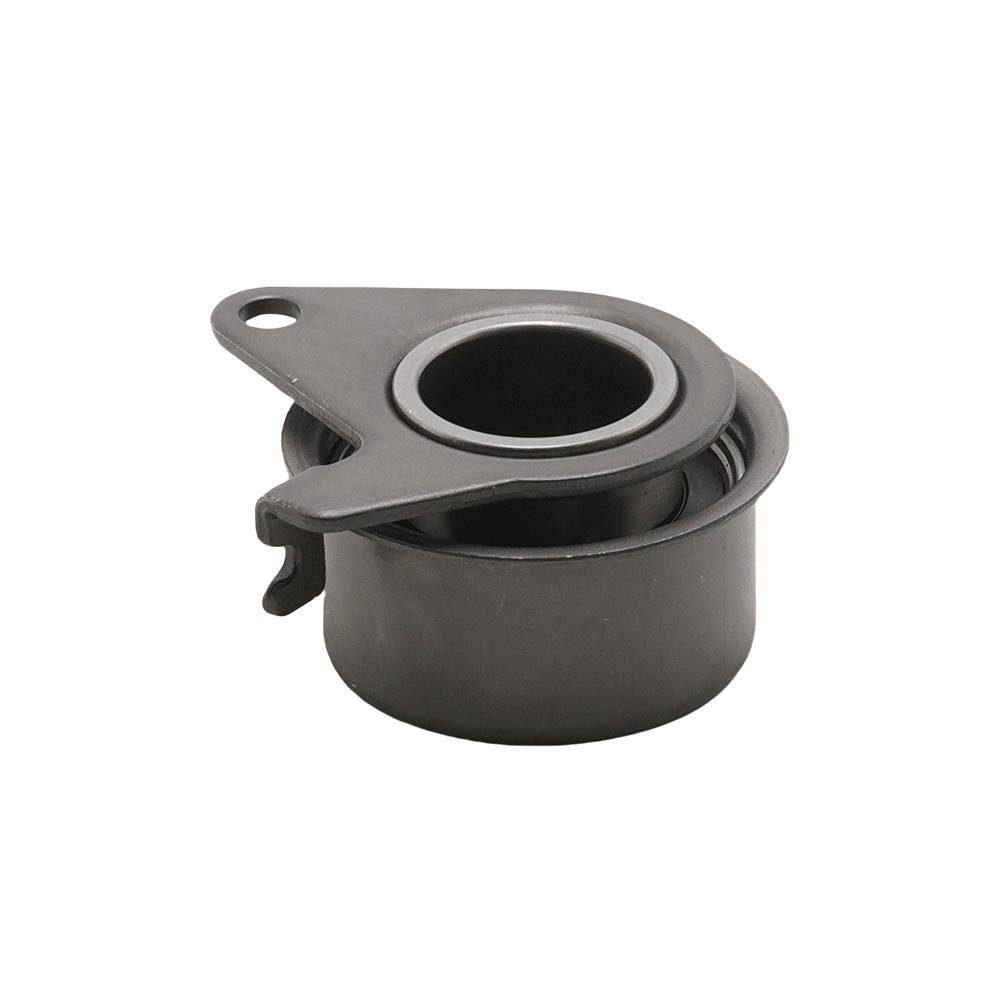

Article number: TA26001 FOCUSON ENGINE's product is cross-referenced with this one.
The belt tensioner pulley helps maintain proper tension in the engine's belts, ensuring they operate smoothly and effectively, reducing wear and improving performance.
Tailored for wholesale and OEM needs, our VKM 75615 support OE number cross-reference. Please consult our sales team for MOQ and procurement details.
Details
|
Diameter [mm] 57 |
|
Width [mm] 28 |
|
Tensioner Pulley Actuation Manual |
|
Flange Ø [mm] 63 |
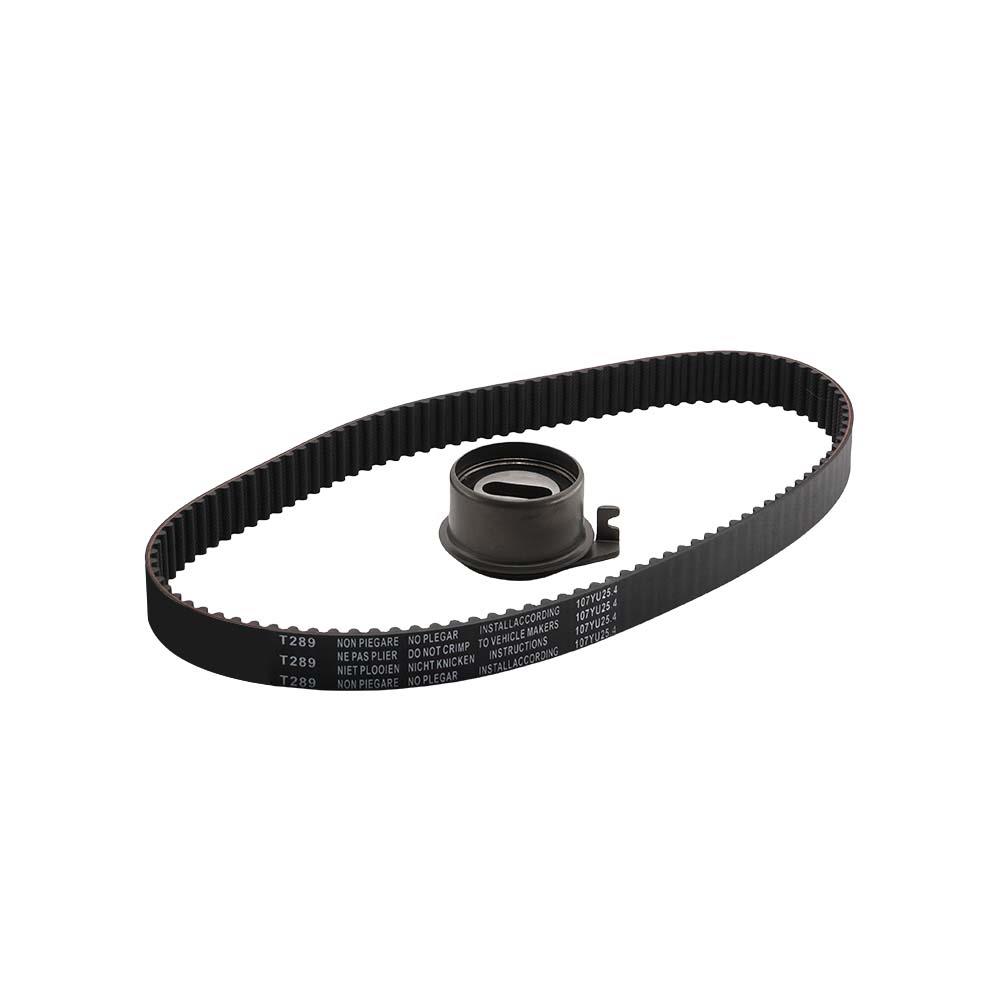
Kits List
Timing Belt Kit
VKMA 95621
Details
OEM Numbers
Interchange Numbers
Vehicle Fitment
| Make | Model | Type | Engine Code | Capacity | Fuel Type | Year | Power |
|---|
| MITSUBISHI | COLT V (CJ_, CP_) | 1300 GL,GLX (CJ1A) | 4G13 (12V) | 1299 CCM / 1.3 L | Petrol | 1996-05-01 2000-06-01 |
55 KW / 75 PS |
| MITSUBISHI | LANCER VI (CJ_, CP_) | 1.3 12V (CK1A) | 4G13 (12V) | 1299 CCM / 1.3 L | Petrol | 1995-12-01 2003-08-01 |
55 KW / 75 PS |
| MITSUBISHI | LANCER VI (CJ_, CP_) | 1.5 12V | 4G15 (12V) | 1468 CCM / 1.5 L | Petrol | 1997-09-01 2003-08-01 |
64 KW / 87 PS |
| MITSUBISHI | COLT V (CJ_, CP_) | 1.5 12V (CJ2A) | 4G15 (12V) | 1468 CCM / 1.5 L | Petrol | 1996-06-01 2004-08-01 |
69 KW / 94 PS |
| MITSUBISHI | LANCER VI (CJ_, CP_) | 1.5 12V (CK2A) | 4G15 (12V) | 1468 CCM / 1.5 L | Petrol | 1996-07-01 2003-08-01 |
69 KW / 94 PS |
| MITSUBISHI | COLT V (CJ_, CP_) | 1.5 (CJ2A) | 4G15 (16V) | 1468 CCM / 1.5 L | Petrol | 1995-09-01 2003-09-01 |
81 KW / 110 PS |
| MITSUBISHI | LANCER VI (CJ_, CP_) | 1.5 16V (CK2A) | 4G15 (16V) | 1468 CCM / 1.5 L | Petrol | 1995-09-01 1999-08-01 |
81 KW / 110 PS |
Overview
| Car models | MITSUBISHI COLT V (CJ_, CP_); MITSUBISHI LANCER VI (CJ_, CP_) |
| Engines | 4G13 (12V); 4G15 (12V); 4G15 (16V) |
| Engine power (horsepower) | 75-110 HP |
| Power (kilowatts) | 55-81 KW |
| Year of manufacture | 1995-2004 |
FAQs
It maintains the correct tension on the serpentine belt, ensuring proper alignment and preventing belt slippage.
Symptoms include belt chirping noises, misalignment issues, and excessive wear on the belt.
It can lead to reduced engine efficiency, overheating, and potential failure of driven components.